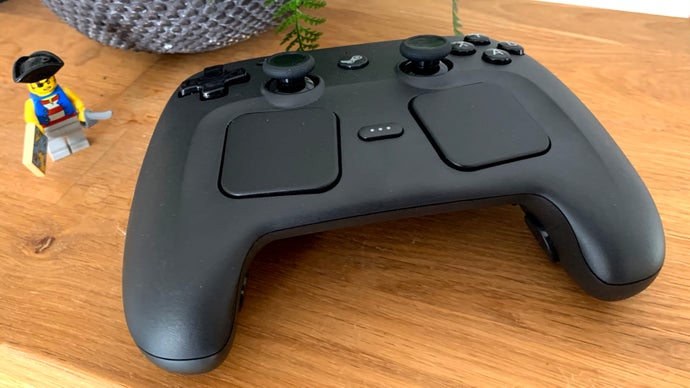
Valve's new Steam Controller refines the original design with Steam Deck-inspired ergonomics and delivers solid improvements across the board. After a week of testing, the controller operates intuitively enough that it fades into the background during gameplay. The upgraded build feels more conventional than its predecessor, abandoning the experimental touchpad layout in favor of a traditional dual-stick configuration that appeals to broader audiences.
The controller excels at specific tasks. Its haptic feedback, grip design, and button responsiveness outperform the original model significantly. Customization options remain robust, giving players fine control over input mapping and sensitivity curves. For Steam Deck owners, the familiarity factor alone justifies consideration.
However, the new Steam Controller occupies an awkward market position. Compared to DualSense controllers or Xbox gamepads, it doesn't offer compelling reasons to switch if you already own either. The improvements matter most to enthusiasts who value granular control customization and want consistency across PC and handheld play. Casual PC gamers find standard third-party controllers cheaper and equally effective.
The controller's true value lies in its versatility for niche use cases. Players who mix genres, rely on emulation, or stream across multiple devices benefit most. The haptic technology and remapping flexibility serve fighting game competitors, strategy players, and indie game enthusiasts better than mainstream alternatives.
Valve targets a specific subset of the PC gaming market. The Steam Controller works best as a companion device for Steam Deck users wanting console-like comfort on their desktop PC, or for players already invested in the Steam ecosystem who demand customization. For everyone else, competition from established gamepad makers remains fierce.
The new controller represents solid engineering. Valve listened to feedback about ergonomics and functionality. But positioning it as an everyday controller competes directly against established brands with larger catalogues, better marketing, and cheaper entry points