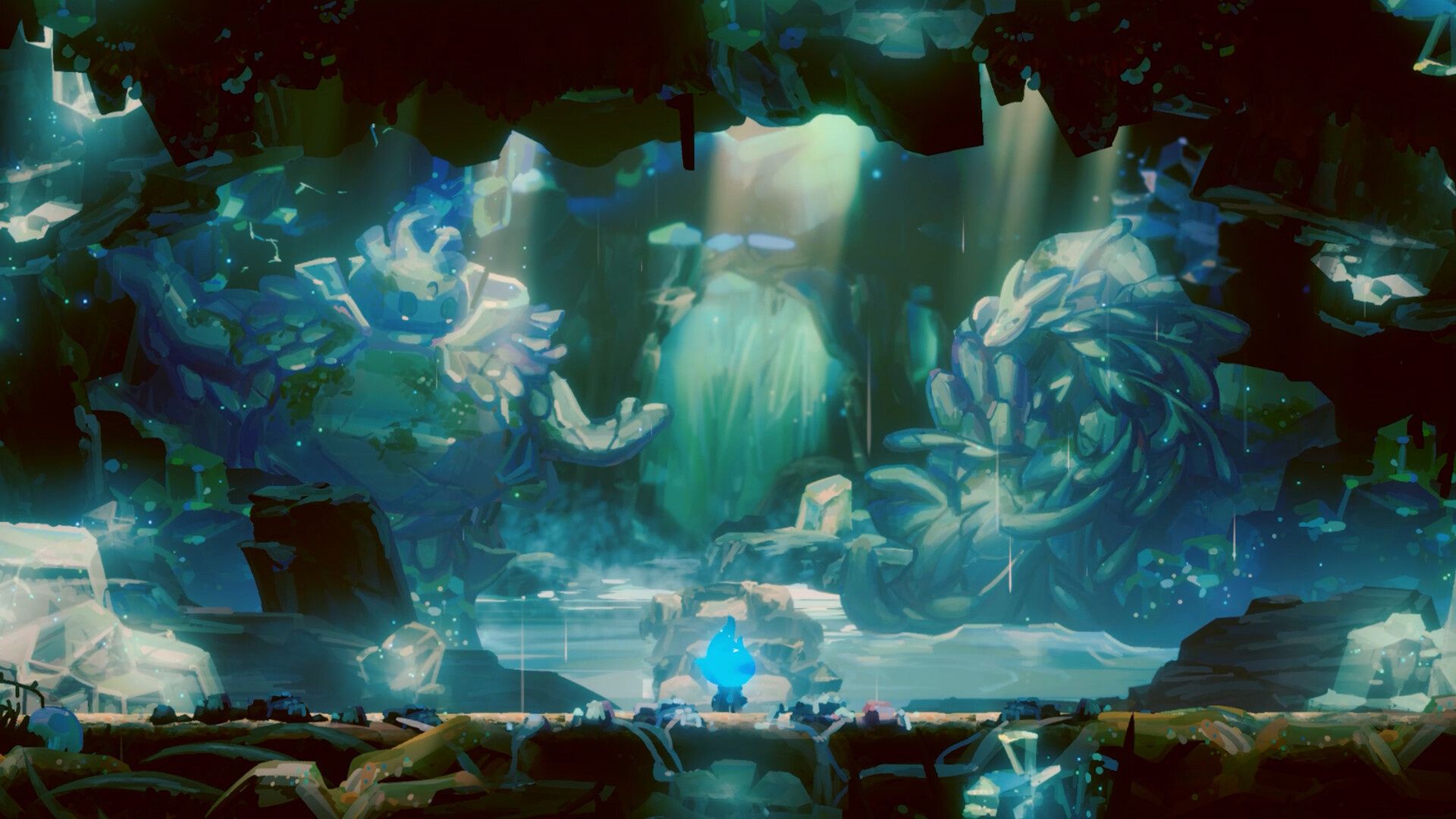
Solateria demolishes the tired argument that Soulslikes need punishing difficulty to stay engaging. The game proves accessibility options and genuine challenge coexist.
The indie title implements difficulty settings that actually matter. Lower difficulties don't trivialize encounters. Instead, they let players engage with boss patterns and level design without brutal stat walls. Combat remains complex. Enemy behavior stays unpredictable. The game teaches rather than gatekeeps.
This matters because the Soulslike genre has sheltered behind difficulty as a crutch for too long. FromSoftware's reluctance to add options hasn't stopped worse games from copying the punishment without the craft. Solateria shows what happens when developers respect player time while maintaining combat depth.
The game respects your intelligence. It respects your schedule. It respects that learning a boss pattern takes longer when one mistake erases twenty minutes of progress. Lowering difficulty doesn't mean lowering standards. The encounters still demand precision, timing, and pattern recognition.
Solateria's real achievement sits here. it proves the Soulslike community's gatekeeping serves nobody. Accessibility expands who experiences excellent design. The game's success should pressure other studios to stop hiding behind difficulty as a design shortcut.