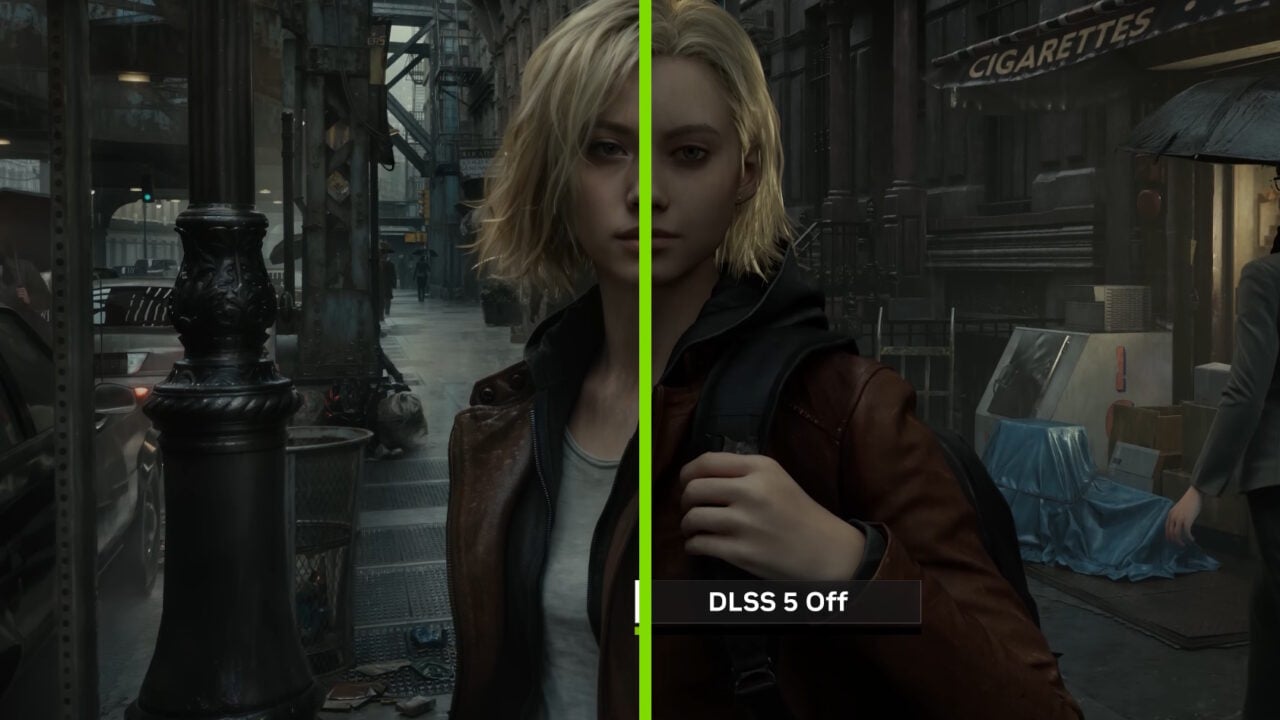
Resident Evil Requiem's producer defended Capcom's use of DLSS 5 AI upscaling technology after players criticized the visual quality. The producer claimed the negative feedback actually validates the studio's design choices, suggesting the backlash proves they made the right creative decisions.
DLSS 5, Nvidia's latest upscaling technology powered by AI frame generation, has drawn scrutiny from the gaming community over perceived visual artifacts and quality degradation. Players noticed the technology produced blurry, distorted, or artificial-looking visuals in certain scenes. Resident Evil Requiem integrated DLSS 5 as part of its graphics pipeline, and the community response ranged from disappointment to outright rejection.
Rather than acknowledging the technical concerns, the producer framed criticism as proof of successful design execution. This counterintuitive stance suggests Capcom deliberately pursued a specific visual approach, and player rejection indicates they achieved their intended effect. The statement reflects a growing divide between developer intent and player expectations regarding AI-assisted graphics technology.
The incident sits within a larger industry conversation about DLSS 5's viability. While Nvidia positions the technology as essential for next-generation performance, developers face pressure to justify its visual tradeoffs. Resident Evil Requiem's implementation forces players to engage with AI upscaling at default settings, limiting options to disable or adjust the filter.
This response highlights tension in modern AAA development. Capcom invests in cutting-edge technology partnerships with hardware manufacturers like Nvidia, but player preferences don't always align with those business relationships. The producer's dismissal of criticism suggests the studio prioritizes technological showcase over player satisfaction.
For horror franchises like Resident Evil, visual clarity matters. Survival horror depends on environmental detail and atmospheric clarity to maintain tension. Degraded visuals from aggressive AI upscaling undercut the genre's effectiveness,