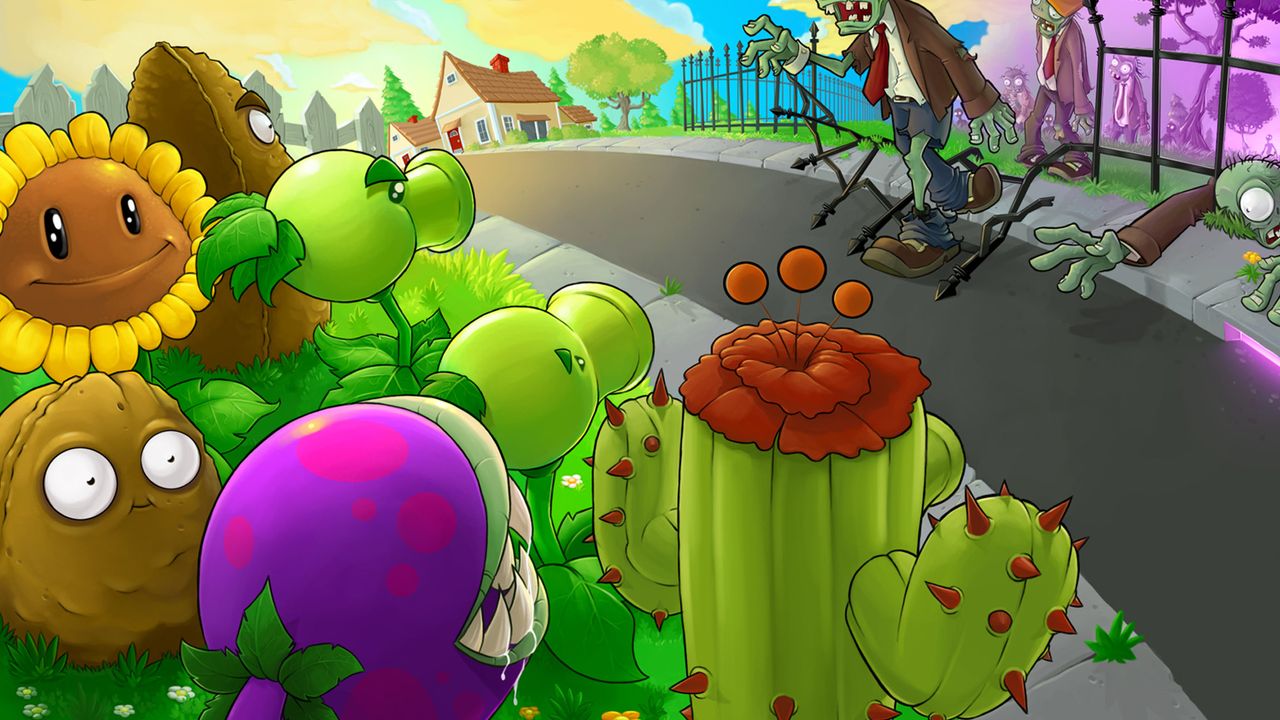
PopCap Games released Plants vs. Zombies in 2009 as a tower defense game that would reshape casual gaming for a decade. The studio delivered a straightforward premise: zombies shamble toward your house, and you plant defensive flora to stop them. The execution proved genius.
The game's appeal rested on accessibility balanced with strategic depth. Players positioned sunflowers to generate resources, then deployed peashooters and walnuts in calculated patterns. Early levels taught mechanics gently. Later waves demanded genuine tactical thinking about positioning, timing, and resource management. PC Gamer's review highlighted how the game maintained momentum without overwhelming newcomers.
Plants vs. Zombies launched on PC initially before spreading to nearly every platform. Mobile versions, particularly on iOS and Android, found enormous audiences. The tower defense genre had existing fans, but PopCap tapped something broader. The game attracted people who never considered themselves gamers. That accessibility combined with fourteen-hour single-player campaigns and survival modes created lasting appeal.
The humor mattered too. Zombies wore cone hats and bucket heads. Plants wore sunglasses. The tone stayed light despite the apocalyptic scenario, which made grinding through waves feel less tedious than competitors managed.
The game's impact extended beyond sales figures. PopCap proved that casual games could rival AAA titles in engagement and profitability. Plants vs. Zombies became a franchise spawning sequels, spin-offs, and shooters. It demonstrated that simple mechanics executed with polish beat complexity every time.
By 2009 standards, the $19.99 price point for Plants vs. Zombies on PC felt reasonable for the content volume. The game delivered dozens of hours without demanding additional purchases, though later mobile versions introduced freemium elements that diluted some of that goodwill.
Plants vs. Zombies represents peak tower defense design.