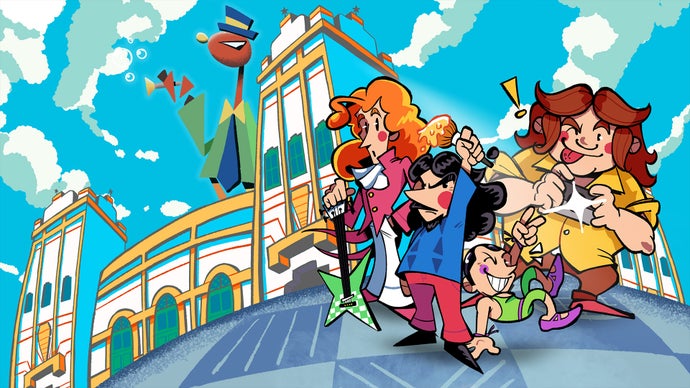
Artius: Pure Imagination positions itself as a thematic successor to classic Sonic the Hedgehog by centering its narrative on creative expression rather than environmental destruction or romance subplots. The indie platformer strips away the bloat that diluted recent mainline Sonic titles and returns to straightforward messaging: making art yourself matters.
The game targets art students and creative professionals directly. Its design philosophy mirrors Sonic's accessibility wrapped around a singular, clear theme. While the original Sonic series gradually abandoned its environmentalist roots in favor of spectacle and awkward romantic plotlines, Artius reclaims that tradition of purposeful messaging for a post-AI world context.
The timing carries weight. As generative AI tools flood creative industries and devalue original artwork, Artius arrives as a statement piece defending human-made art. The game doesn't lecture. Instead, it channels Sonic's kinetic joy into the act of creation itself. Players experience the thrill of artistic expression rather than watching cutscenes about it.
Rock Paper Shotgun's analysis highlights how Artius succeeds where modern Sonic games flounder. The recent entries prioritized franchise spectacle over coherent themes. Sonic Frontiers embraced open-world bloat without justifying its existence thematically. Sonic X Shadow Generations split focus across too many competing narratives. Artius commits to one idea completely.
The indie platformer's approach resonates with developers frustrated by AAA compromises. It proves a game doesn't need massive budgets or complex narratives to say something meaningful. It needs conviction. The game's target audience, art students facing pressure from AI-generated imagery, finds validation in gameplay that celebrates manual skill and creative labor.
This release matters beyond niche appeal. It demonstrates how indie developers can challenge mainstream franchises by returning to forgotten principles. Sonic lost its way by abandoning th