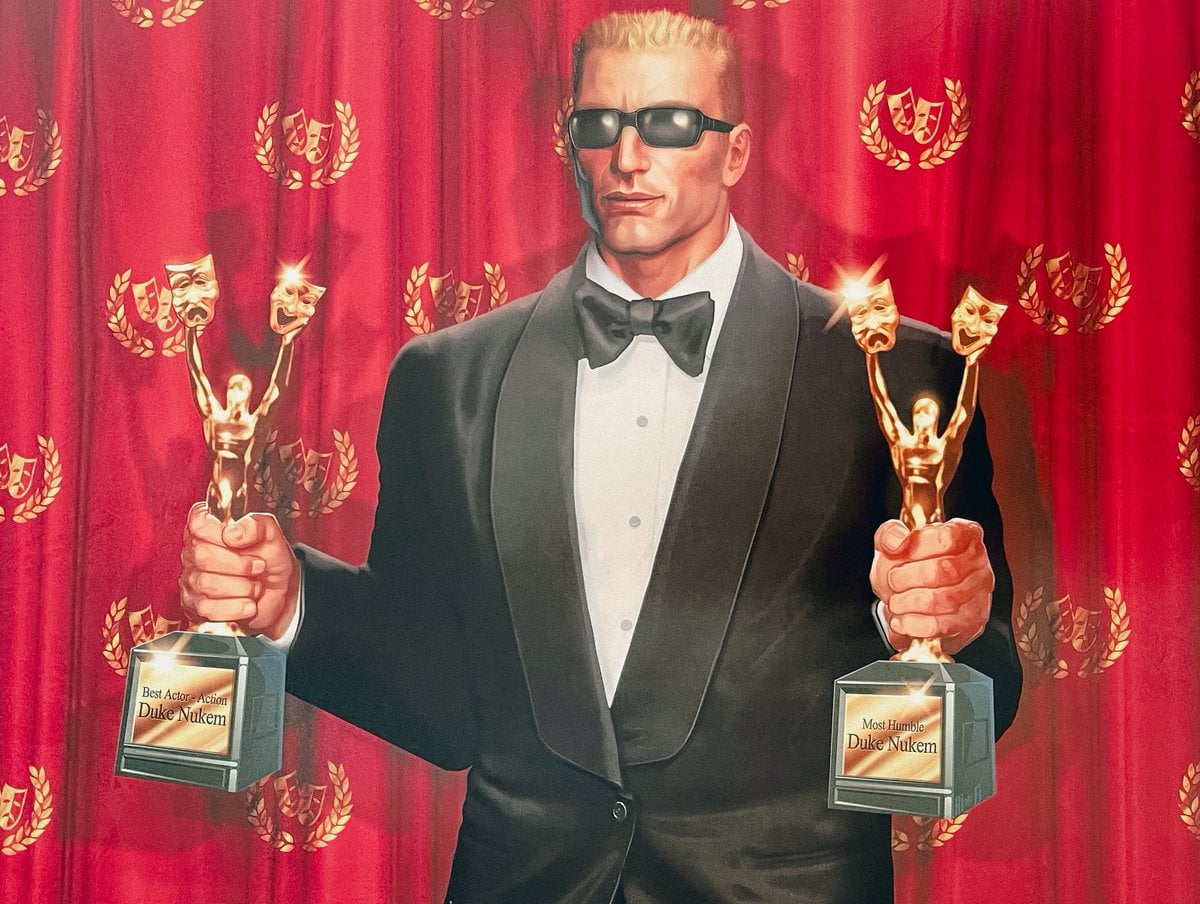
The Oscars banned AI-generated films from competition. Gaming awards organizations need the same policy.
Most major gaming awards show no clear stance on AI-generated content. The Academy's decision creates a precedent that the industry should follow immediately. Without explicit rules, award bodies risk legitimizing hollow work stripped of human creative labor.
The problem runs deeper than optics. AI generation tools train on existing art without consent or compensation. Rewarding AI submissions validates theft. It signals to developers that cutting human artists and writers from budgets is acceptable.
The Game Awards, BAFTA Games, and other major ceremonies remain silent on the issue. This ambiguity invites submission of AI-generated trailers, soundtracks, and art assets. Judges lack guidance on what constitutes disqualifying AI involvement.
Gaming awards carry weight in the industry. Nominations drive sales. Awards influence hiring decisions. If ceremonies elevate AI work, studios follow. That accelerates displacement of artists already facing stagnant wages and brutal crunch.
The solution is straightforward. Awards organizations must demand that nominated games feature human-created assets or disclose AI usage prominently. They should ban AI-generated submissions outright, matching the Oscars' stance.
The industry resists this clarity because major publishers already experiment with AI tools. Accountability costs money. But awards exist to celebrate achievement, not launder industrial shortcuts.