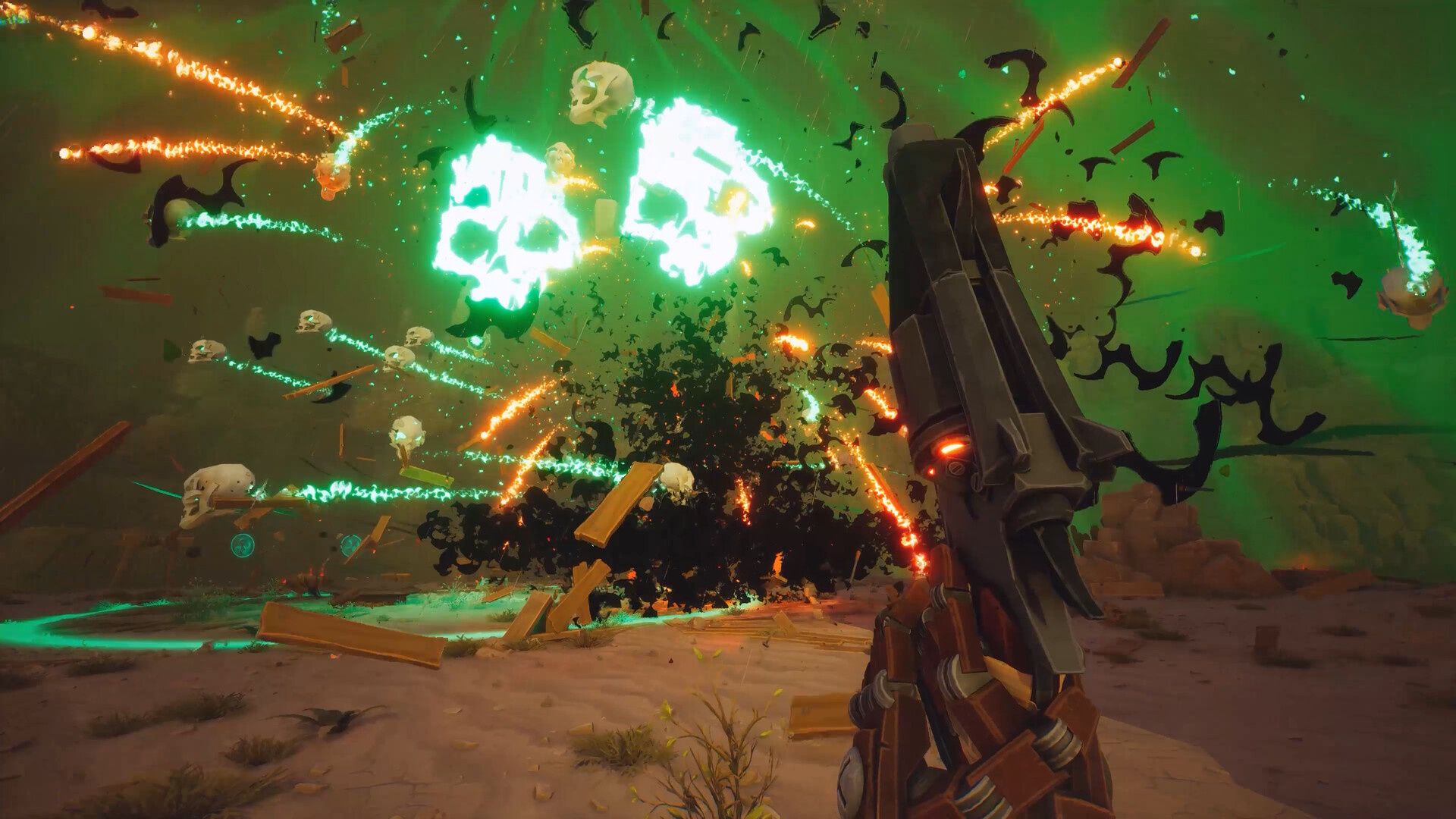
Far Far West stands out in the crowded multiplayer space by rejecting the extractive design philosophy that dominates modern gaming. The sci-fi indie title respects player time instead of weaponizing it through battle passes, seasonal content grinds, and aggressive monetization schemes.
Most multiplayer games treat engagement metrics like a zero-sum game. Developers artificially extend playtime through FOMO mechanics, mandatory dailies, and progression systems designed to punish casual players. Far Far West abandons this entirely. Sessions feel complete whether you play for thirty minutes or three hours. You progress meaningfully without checking off daily checklists or fear of missing limited-time rewards.
The game delivers friendslop appeal. It's designed for relaxed, social play with friends rather than competitive grinding or showboating cosmetics. You can jump in, accomplish something tangible, and log off without feeling like you've fallen behind the treadmill.
This approach contradicts industry orthodoxy. Publishers obsess over session length metrics and engagement graphs. Far Far West proves players actually stick around longer when they feel respected rather than exploited. The game trusts its core experience to sustain interest instead of relying on FOMO psychology.
It's a reminder that good design and good business interests don't have to conflict. Far Far West demonstrates indie developers still remember what made multiplayer gaming fun before the monetization industrial complex took over.