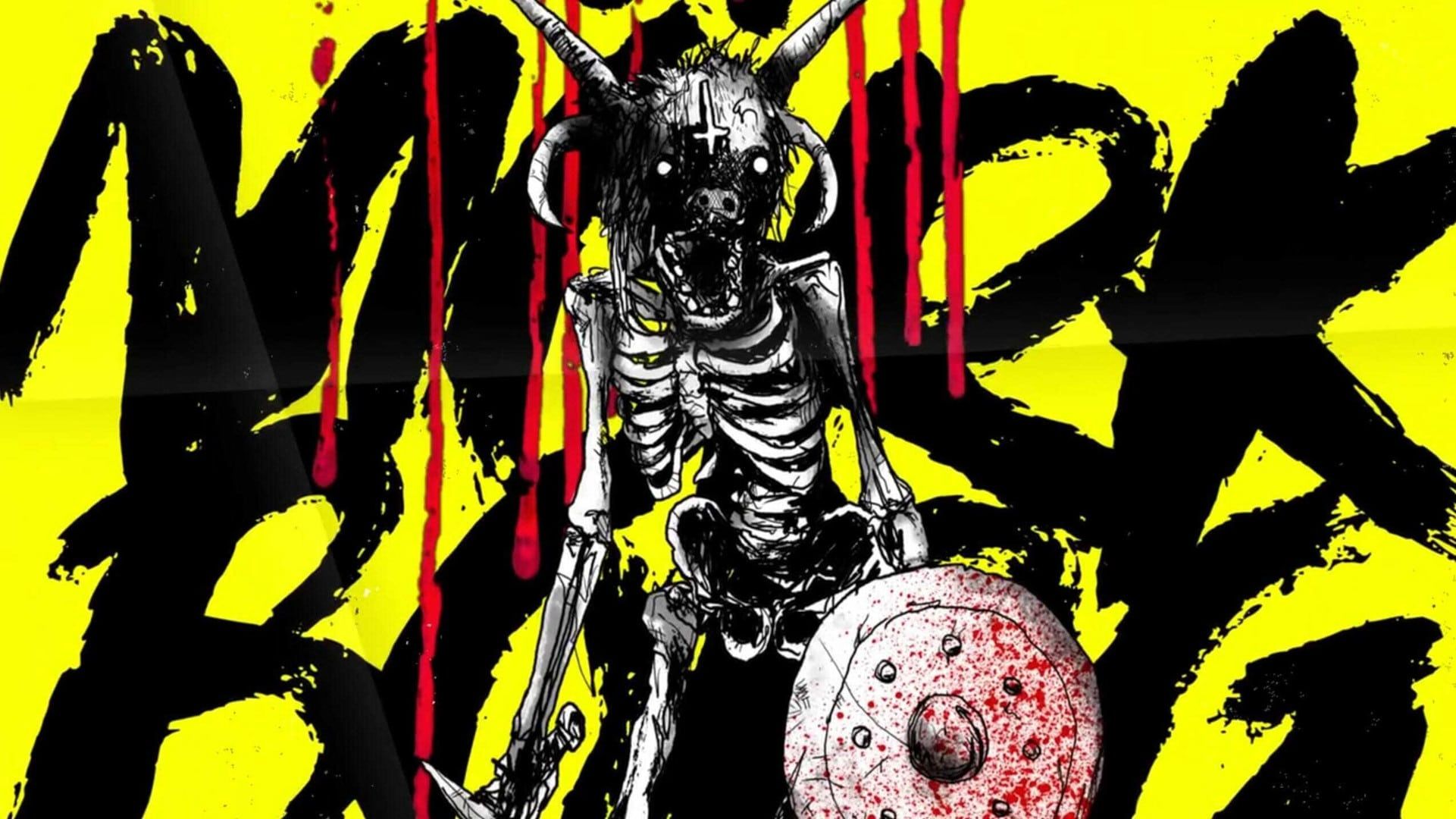
Mörk Borg, the doom metal-flavored tabletop RPG, demonstrates something Dungeons & Dragons largely avoids: permanent character death belongs in the game.
D&D's safety mechanics and resurrection spells have created a culture where player characters almost never stay dead. This removes real stakes from the table. Mörk Borg embraces lethal consequences. Characters die. They stay dead. This creates tension that matters, forcing players to make meaningful decisions because failure carries weight.
The game's apocalyptic setting and metal aesthetic reinforce this philosophy. Death isn't a minor inconvenience you solve with a spell or a resurrection wish. It's the end of your character's story. Players respond by playing smarter, caring more about their decisions, and investing differently in their heroes.
D&D's design philosophy prioritizes player retention and longevity, which explains the safety nets. But this creates a problem. When characters cannot truly die, consequences feel hollow. The game punishes bad decisions with delays rather than actual loss.
Mörk Borg proves the opposite approach works. Games with real death create better stories and more engaging moments. D&D's designers should study this. Not every RPG needs resurrection magic. Some need teeth.