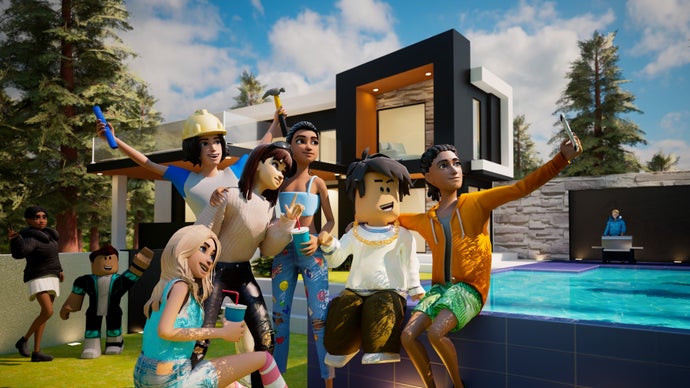
Roblox announced "Roblox Reality," an AI-powered upscaling technology that transforms the platform's blocky characters and environments into photorealistic visuals. The system leverages machine learning to dramatically enhance graphical fidelity without requiring developers to rebuild assets from scratch.
This tech addresses a core problem plaguing Roblox's ecosystem. The platform hosts millions of user-generated games built with basic, low-poly models. Rather than force creators to overhaul their work, Roblox's upscaling handles the heavy lifting automatically. The results reportedly look genuinely polished, not like cheap filters slapped onto dated graphics.
The pitch matters for Roblox's broader strategy. The platform competes with traditional game engines while maintaining accessibility for amateur developers. Photorealistic rendering typically demands expensive hardware and expert-level skills. This tool democratizes quality, letting small teams punch above their weight.
The catch remains unclear. Roblox hasn't detailed server costs, performance overhead, or how this integrates into the actual development workflow. The blog post the journalist mentions apparently buried those answers in "complex techno/marketing babble." That's telling.
If execution matches the promise, this genuinely shifts what Roblox creators can achieve. If it's vaporware or locked behind prohibitive costs, it's just marketing noise. The industry should watch closely.