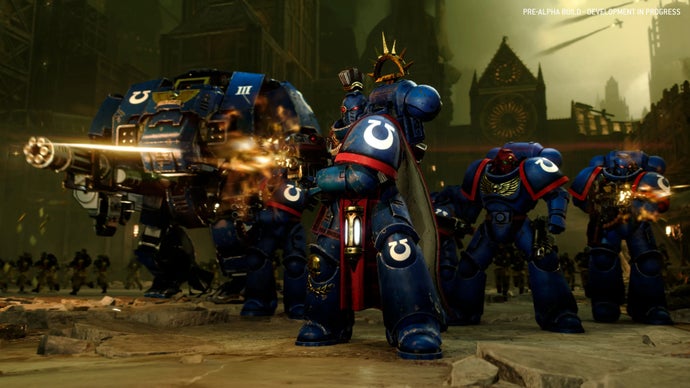
Total War: Warhammer 40,000 introduces destructible map elements, a major departure from the series' traditional approach to cover and terrain. Players can now demolish buildings and structures that units use for protection, fundamentally changing tactical decisions during combat.
The developers describe this shift as "the biggest mental shift" for the strategy franchise in years. Rather than blanket destruction across all maps, Creative Assembly deliberately limited destructible environments to specific areas where the mechanic enhances gameplay. This restraint prevents gimmickry from overwhelming core strategy elements.
The change directly challenges how players approach positioning. Imperial Guardsmen can't rely on permanent fortifications anymore. Cavalry charges, artillery placement, and unit formations all require rethinking when cover vanishes mid-battle. Veterans accustomed to stretching ranged units and maximizing cannon angles must adapt their muscle memory entirely.
Creative Assembly made the right call keeping destruction targeted. Universal map destruction would turn every engagement into chaotic rubble and reward brute force over tactical thinking. By restraining the feature, they preserve Total War's strategic depth while adding genuine environmental gameplay that matters.
This represents thoughtful iteration rather than feature creep. The 40K universe demands apocalyptic destruction anyway, and the system serves both theme and mechanics without compromising what makes Total War compelling.