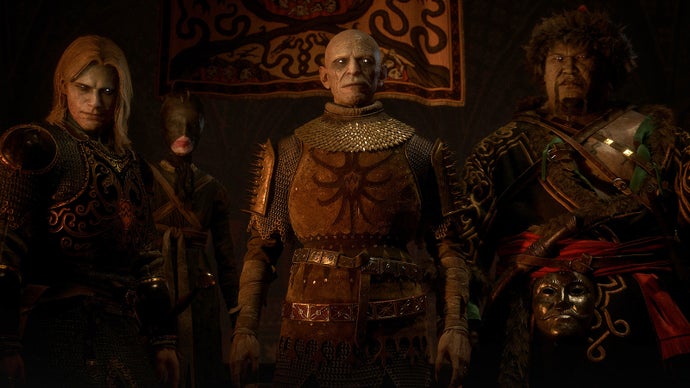
The Blood of Dawnwalker ditches the traditional quest structure entirely. Players get one overarching goal: rescue their family from vampires within 30 days and 30 nights. How they accomplish it, or if they accomplish it at all, belongs entirely to them.
This design philosophy creates a genuinely freeform experience. Skilled players can apparently beat the game almost immediately by skipping content and rushing the finale. Casual players can explore every quest and mechanic the developers packed in. Neither approach counts as "wrong."
The game comes from CD Projekt Red's Konrad Kieling, who directed Witcher 3 but clearly wanted something different here. No main quest means no invisible rails. No questmarkers forcing you toward predetermined beats. Just a vampire-infested world and a deadline.
This approach demands respect. Too many RPGs claim freedom while burying players in mandatory content. The Blood of Dawnwalker actually trusts players to make meaningful choices about what matters. The real question: does the rest of the game's design support this promise, or does it crumble under the weight of genuine player agency?